Wednesday, September 7, 2016

Sight Word Assessment and Practice


There are 11 sight word lists, 20 words per list.  List one is usually introduced in kindergarten, lists two through five in first grade with the remaining lists taught in second grade and possibly third grade.

To assess, have children read leveled lists of flash cards and circle words read incorrectly or with too much hesitation.  Words should be read with automaticity. In the example below, the child read 19/20 sight words on list one correctly with no hesitation (green cards) and 18/20 sight words on list two (pink cards). The word said was read incorrectly on list one. The words have and with were read incorrectly on list two.   Continue the lists until 4 or more words are read incorrectly. It is helpful to use different color index cards for the different lists. 
Review and Practice with Bingo Cards - Printable Cards Below
Assessment Forms for the 11 Sight Word Lists
Lists 7-11
Printable Bingo Cards
Fill in Bingo Cards to be Used as Determined
Video with all sight word lists - Have children practice reading the lists on each slide or the slides with lists children have mastered.


Sunday, September 4, 2016

Alphabet Fun

Alphabet Fun -Have children place the letters in alphabetical order matching uppercase with lowercase letters.
           The alphabet mat was made using a 22 in. by 18 in. piece of tag board and decorative tape. Foam letters can be found at Target or most educational stores.
Additional alphabet activities - Children practice identifying  upper-and-lower case letters automatically. In this activity, children will rapidly recognize and name letters in random order.
Children have fun using magnetic letters to identify the letters of their names and other familiar words.


Sunday, August 21, 2016

6 Syllable Types - Free Resources and Activities

As children become readers they will read words with multi- syllables.  Knowing that each syllable has a vowel sound will help children with reading. Begin by introducing open and closed syllables.  Next, introduce vowel-consonant-silent-e and vowel combination syllables.  End with vowel-r and consonant l-e syllables. 
 
Types of Syllables Chart:

Types of Syllables Chart:
Overview Chart - All 6 Types of Syllables:
Activity: Name the Type of Syllables - Open or Closed?
Activity: Name the Type of Syllables - Silent e or Vowel Combination?
Activity: Name the Type of Syllables - Vowel-r or Consonant l-e?
Match the Words to the Correct Syllables
Cloze Activity:  Fill in the Blanks Using the Word Bank
You need  $1.00 beach balls and a marking pen to play syllable toss. A highly engaging activity to review the six types of syllables.  Toss the ball(s) around the classroom and have students name words with the syllable types landed on -  consonant-le: apple and so on! Have Fun!

Lesson Demonstration


Sunday, August 7, 2016

Using Pictures and Clues to Identify and Read Words

A great activity to teach children about print awareness - letters make words, words make sentences and sentences tell something. Children will have fun identifying words from given clues.
Place 3 word/picture cards in the pocket chart.  Without reading the words, talk about their characteristics: count the letters in each word, name the beginning letter and the ending letter of each word.  Also, remind children that each word represents the picture shown on the card. Next, provide clues for children and have them identify the correct word/picture card.  For example - Say: I am reading a word that has 4 letters, is an animal and ends with the letter n. What word am I reading?
Have children complete the sentence with the correct word. Have children look at the clues.  The word begins with the letter b, has 4 letters and ends with the letter d.  What word is it?


Repeat the steps above and then have children complete the sentence with the correct word. 
Word/Picture Match
Have children match words to pictures.
Hunting for Words - Have children find and circle words that follow the clues given.  in this example the clues were to circle all words that have four letters and begin with the letter s.
Activity Demonstration


Sunday, July 31, 2016

Following, Extending and Creating Patterns!


Pattern boards and picture cards are a fun way to introduce children to patterning.  Identifying patterns is an important skill for reading.  Many patterns occur in words such as short vowel patterns, silent e patterns and vowel pairs.  Recognized patterns help children decode unknown words.  In the activity below, children are guided by small pictures on each pattern board.  As children reference the small pictures they become successful in placing the cards in the correct order. Proceeding activities promote extension and creation of patterns!
In addition to the pattern boards, have children complete the practice papers to extend and create patterns.  In the first two rows of each practice paper children are asked to circle the correct pictures to extend/complete the patterns.  In the last row they have the opportunity to create their own pattern. In the example below (right side) Jade created a yellow, blue, red pattern.  Another great activity is to place picture cards on popsicle sticks and have children manipulate the cards to create their own patterns! It's fun to see how many patterns can be created!
Below are practice pages to extend and create patterns
The first practice page is of fun brown, black and orange cats!
The second practice page is of delicious red, green and yellow apples!
The third practice page is of colorful blue, green and yellow  backpacks!
Pattern board for cats.
Pattern board for apples
Pattern board for backpacks.
Cat cards for patterning board and popsicle stick activities.
Apple cards for patterning board and popsicle activities.
Backpack cards for patterning board and popsicle activities.
Create a learning center.  Place magnets behind the back of apple, cat and backpack picture cards.  Have children create different patterns!
Extension Activity of Sequencing and Retelling


Tuesday, July 19, 2016

Awesome Book and Activities to Teach Letters and Sounds

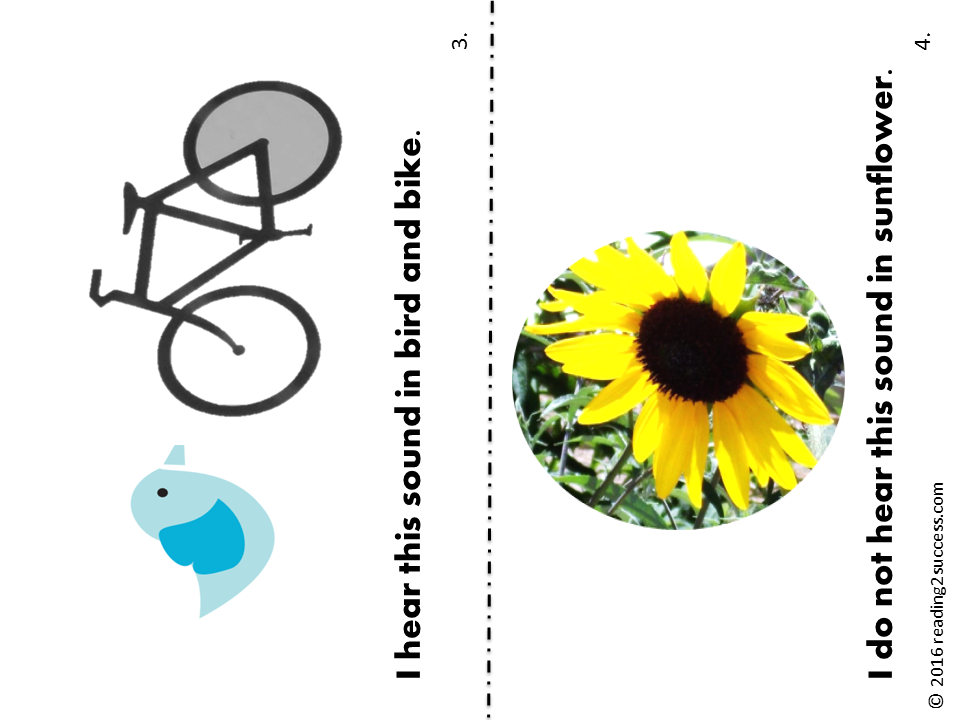
My Awesome Alphabet Book by Thomas Nelson is a fun way to introduce letters and sounds. The book consists of letter shaped pages with illustrations and words beginning with each letter. The book is so much fun and loved by kids that I created mini books to extend this activity.  As I read each mini book, the kiddos listen and look at the illustrations to determine what sound and letter is being described. Each mini book gives examples of things that begin with the letter and things that do not.
There is a front cover, six pages and a last page. The templates are below: The book is as follows:


The top is the front page and the bottom is the last page (7).


Pages 1 and 2


Pages 3 and 4


Pages 5 & 6


Additional Activity: Draw or paste things that begin with the letter b.

Completed Activity: butterfly, bee, broccoli, bread, bat, bird and barn


Friday, July 15, 2016

Read and Predict the Meaning of Compound Words

A compound word is a word that is composed of two words such as cupcake.  It does not include words with prefixes such as unfair or words with suffixes such as helpful.  As children read more complex text they will use their recognition of known shorter words to read and predict the meaning of unknown compound words. In the activities below children will identify the two words that make up each compound word.  Activities promote word recognition, reading fluency, and comprehension of text.
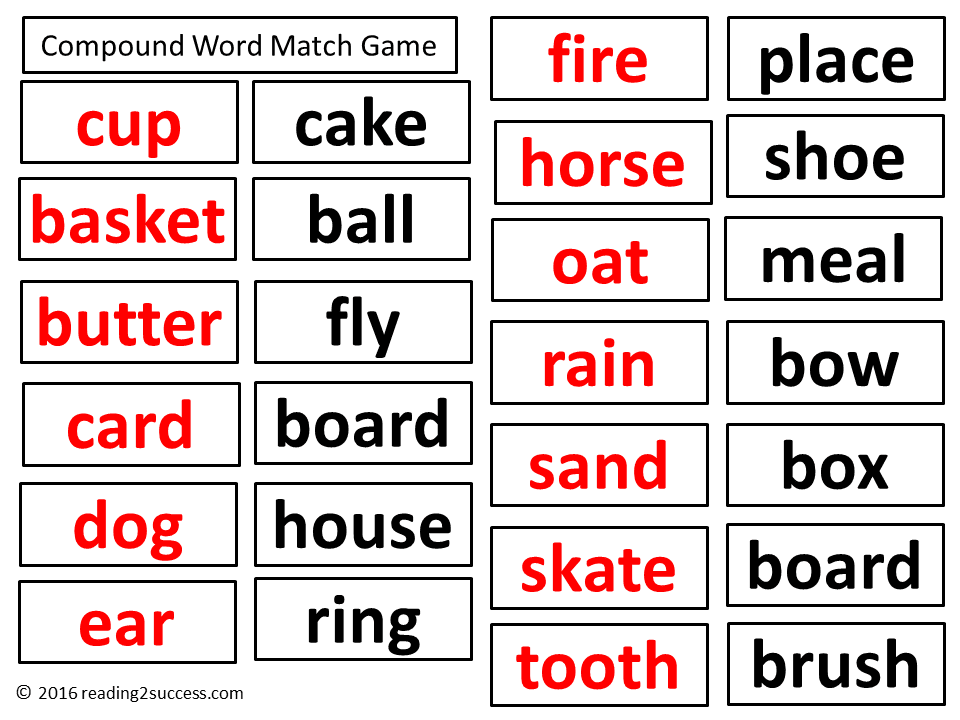
Microsoft clip art was used for these activities.  For the activity below, magnetic tape was placed on the back of each clip art.  Next, compound words were printed.  Magnetic tape was placed on the back of each word.  The words were then cut separating each compound word into two words.  Children were then asked to put the two correct words together to make each compound word.
Next, have children write the two words needed to make each compound word.
Children should refer to the word bank to monitor their work.

Additional activity - cloze activity:
Dictate words to children and have them write the words.
Cards for compound word match game:
Video with Lesson Demonstration